Is Rust better as a solo survival grind or a chill farming simulator — what 14,782 hours actually looks like
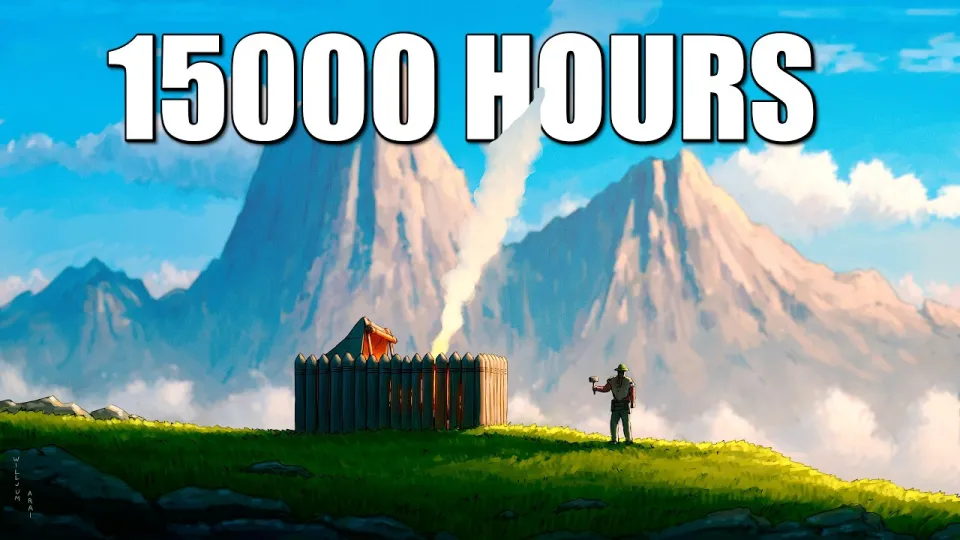
Video: How a solo with 14,782 Hours plays official rust...
Want articles like this for your own video to promote it on YouTube and Google? Order them through the Telegram bot @sat_sit_bot. It writes articles around your video, embeds the video and publishes them on popular niche websites (no ads). Try it free: 50 articles on us.
· based on the channel Willjum
Key takeaways
- Willjum's account carries 14,782 hours of Rust, roughly 1,180 hours per year if played continuously since early access.
- The run is a solo wipe on official Rust settings, with no team, no clan and no modded loot multipliers.
- The base in the video was designed by builder Luca.Builds and uses a mannequin in the window as a decoy.
- A solo wipe typically starts with a 30-scrap workbench and a 2x1 or 2x2 stone base before any serious monument runs.
- Nail guns and compound bows are the realistic early-mid game weapons for a solo, not tier-two rifles.
Rust is better played as a solo survival grind than as a chill farming simulator if you want to actually hold ground on an official server — but the 14,782-hour account behind this wipe shows the two styles are not opposites. Long-term solos survive by farming quietly, spending scrap surgically and only taking fights they have already won. The video breakdown from Willjum follows exactly that pattern across a full official wipe, and the sponsor link for the Manscaped Beard Hedger Plus offer opens with a 15% discount code during the intro.
What 14,782 hours of Rust actually means
The number is the headline, and it is worth doing the math. 14,782 hours spread across a run that started with early access in 2013 works out to roughly 1,180 hours per year — about the workload of a part-time job, every year, for over a decade. Start counting from the 2018 full release instead and the figure climbs past 1,800 hours annually, close to a full-time position.
That volume does not translate into aim. It translates into pattern recognition: knowing which monument is worth a run at which point of the wipe, which base footprint attracts raiders, when a server's population curve dips, and how many resources a solo can realistically move before the first groups are fully geared. Veterans also bank hours passively — leaving the client open while afk inflates the counter — so the honest read is that a large share of those hours are familiarity, not firefights.
The solo base rules that keep a wipe alive
The first hour decides the wipe, and the base is the whole foundation. A solo on official settings should aim for a compact stone footprint — a 2x1 or 2x2 with an airlock — placed away from the main road and out of sightlines from nearby monuments. Wood doors are a placeholder; sheet metal on the outside and a garage door or two inside is the realistic target before the first night ends.
Small choices matter more than size. The build featured in this wipe, credited to the builder Luca.Builds, places a mannequin in a window as a decoy, which pulls shots and reveals attackers before they reach the door. A candle hat sounds like a lighting solution but is easy to forget about entirely once real work starts. Practical priorities for a solo:
- Stone walls and a metal front door before any tier-two weapon.
- Two exits — one main airlock, one small flank door or window.
- A stash or hidden box for scrap and components, separate from the main loot room.
- Tool cupboard placement that covers the roof, not just the walls.
- No decorative towers until the core is fully upgraded.
Scrap discipline and the weapon economy
Scrap is the real currency of a solo wipe, and the classic mistake is spending it on guns too early. A workbench level one at 30 scrap, a level two at 500 and a level three at 1,250 set the curve; rushing tier two before the base is stone leaves you with a rifle you cannot afford to feed and a door raiders can break with a few satchels.
The realistic solo arsenal through the middle of a wipe is a compound bow, a crossbow, a nail gun and whatever the monuments hand you. Nail guns are cheap, craftable in bulk from metal fragments and genuinely lethal at close range, which is why experienced players end a wipe having crafted dozens of them rather than a single prized rifle. Blueprint fragments and higher-tier components should go into the research table only for items you will actually replace — medical syringes, ammo types, a workbench upgrade — not for a one-off trophy weapon.
PvP decisions a solo has to make
Every fight a solo takes is a choice between loot and risk, and the correct answer is usually no. Jumping a two-man group with a bow works only when one of them is already distracted, you have the high ground and a fallback route, and you can disengage in under thirty seconds. Without all three, the fight costs more than it returns.
Sound is the other half of the equation. Footsteps carry further than most players expect, and a player who can track a sprint from across a field will still get ambushed by a bear standing directly behind them — wildlife does not respect game sense. Use that: animals and ambient noise mask movement, and a mannequin or a lit furnace draws attention away from the door you actually care about.
Typical questions from players watching high-hour solos
Viewers consistently push back on the "peaceful farmer" framing, and they are right to. A player with this many hours is not avoiding combat out of timidity; they are picking fights with a clear advantage and skipping the rest. The same skepticism applies to the resource claims — a solo who says they never spend scrap on weapons is usually on their twentieth nail gun of the wipe, which is the point: cheap, replaceable gear beats one expensive loadout you are afraid to lose.
The other recurring theme is accessibility. Plenty of people watch Rust for hundreds of hours without ever installing it, drawn by the variety of content — base tours, raid defenses, solo storylines — rather than the shooting. That audience is exactly who a long-form solo wipe is made for.
Links from the video
- Manscaped Beard Hedger Plus — 15% off plus free shipping with code WILLJUM15
- Willjum on Patreon
- Willjum on Twitch
- Willjum on Twitter
- Creative Commons Attribution 4.0 license
What a 14,782-hour solo wipe teaches
Hours in Rust buy judgment, not reflexes, and this wipe is a demonstration of judgment applied consistently: a small stone base with a decoy window, scrap held back until it converts into something replaceable, and fights accepted only when the odds are already tilted. The farming stretches are not filler — they are the reason the base is still standing when the groups next door have been raided twice. Willjum's breakdown is worth watching for the pacing alone, and if the grooming sponsor spot caught your attention, the Beard Hedger Plus deal page is where the discount code applies.
Source: How a solo with 14,782 Hours plays official rust... · Markdown version
Questions & answers
How is it possible to have 14,782 hours in Rust?
It works out to roughly 1,180 hours per year if the account has been active since early access in 2013, or over 1,800 hours per year counting from the 2018 full release. Part of that total is passive time with the client open, so the figure reflects familiarity with the game more than pure playtime.
Is Rust playable as a solo on official servers?
Yes, but it demands a different approach than group play: a compact stone base with two exits, scrap saved for workbench upgrades, and fights taken only with a clear advantage. Solos survive by being boring to raid and cheap to re-gear.
Do you need good PvP aim to survive a solo wipe?
Aim helps, but positioning and sound matter more. Knowing when to disengage, using mannequins or ambient noise as decoys, and carrying replaceable weapons like nail guns and crossbows keeps a solo in the game longer than raw mechanical skill.
Why do experienced players craft so many nail guns instead of rifles?
Nail guns cost only metal fragments, craft in bulk and hit hard at close range, so losing one costs almost nothing. A single expensive rifle consumes scrap that a solo needs for workbenches, ammo and base upgrades.